November 8th, 2013
The New York Times article titled, “Herbal Supplements Are Often Not What They Seem” reported the findings of a Canadian study which found that many herbal supplements are made of powdered rice and weeds. They took samples from herbal supplement bottles and put them under DNA analysis. One third did not have the herb stated on the label. Many of them contained ingredients that were not even listed on the label such as rice, soybean and black walnut. For people with food allergies, of which many are allergic to soy and nuts, this could prove potentially fatal.
The herbal supplement industry is not closely regulated by the FDA. Consequently, we should all be wary about taking them. In my own practice, I advise people that if they are considering homeopathic medicine, they should use the natural form of the herbs. For example instead of taking a pill containing garlic to boost the HDL (“good”) cholesterol, I advise people to incorporate garlic into their diets. Even if the pills did containing real garlic, the potency of many herbal medications can easily be affected by the manufacturing process and how the bottles were stored. The fewer the number of steps between the plant and your body, the more beneficial it will be for your body. For instance, look at an apple. After you cut it open, it starts to turn brown from oxidation in a matter of minutes. Now think about that pill supposedly containing herbal medications sitting on the store shelf for a few months. Are you going to get any health benefits from it? Perhaps. Though probably not as much as you think. If you are going to use herbal supplements, be sure to let your primary care provider know what you are taking. Many herbs can interact with prescription medications.
Despite the message of many advertisements for herbal supplements, there is no quick fix to instant health and wellness. I believe that first and foremost, we should be eating balanced diets rich in antioxidants found in colorful fruits and vegetables and good fats such as olive oil. We should also be mindful of calories and exercise regularly. Herbal supplements should never be a substitute for these basic (and cheap) fundamentals to good health. Instead of spending that $100 per month on those herbal supplement pills, use that money on a gym membership or buy fresh fruits and vegetables from a local farmer’s market. You will feel better, and make lifestyle changes that will have long-lasting effects.
October 28th, 2013
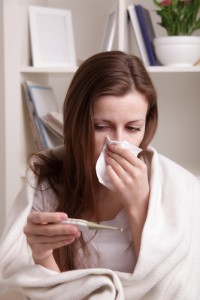 Every person over the age of 6 months should get the flu shot. The flu vaccine is readily available this year and covered by all insurance plans. You can even get them at local pharmacies where they give injections. Make it a point to get your flu shot. Get protected! Still not sure? Here are some reasons to consider:
- By getting the flu shot you are not only reducing your chances of getting the flu, but you are also protecting your family including your children and elderly relatives. For most people, the flu is an annoying viral illness with fever and body aches lasting up to 2 weeks. For the very young or very old, it could lead to pneumonia requiring hospitalization. If you will be visiting elderly relatives during the holidays, be considerate of their health and don’t bring the unwanted gift of the flu.
- Serve as a role model to your children and family. Get your kids into healthy habits by setting a good example.
- The flu vaccine changes each year. Just because you got the flu shot last year does not mean you are protected this year. Each year, the CDC keeps track of the different strains of flu and creates a recommendation of which strains are the most predominant. They then use this information to create the flu vaccine.
- It doesn’t have to hurt! If you have “needle phobia”, there is currently a nasal flu vaccine that is live weakened flu viruses which you spray up into your nostrils. This vaccine is not for people with weakened immune systems, be sure to ask your healthcare provider if you can get this. Also, the needles used for the flu shot are much smaller than those used to draw blood.
- The little time you spend getting your getting your flu shot is much less than the many days spent in bed when you are sick from the flu.
- Don’t let the flu ruin your holidays. Many of us will be getting ready for the upcoming holidays and weeks of shopping, cooking, and traveling. Consider the flu shot as one of your “To Do’s” so that you can be flu-free during the season. Crowded airplanes can increase the spread of cold viruses and flu. If you plan any air travel in the next few months, the flu shot is just as important as printing out your ticket before your flight!
- Beat the rush! Last flu season, there was a shortage of flu vaccines nationwide. There were lines to get flu shots and many places ran out. Get your flu shot now while they are in supply so you won’t need to worry.
- It takes 2 weeks for the flu shot to become effective. The earlier you get your flu shot, the earlier you will have adequate protection.
- If your are pregnant or nursing, there are flu shots that are proven to be safe. Be sure to ask your health care provider for this vaccine.
September 27th, 2013
Traveling to exotic destinations can be exciting, but also potentially dangerous in terms of illness, security, and safety.
Here are some tips I give travellers during their travel consultations. Be sure to check out the CDC travel website. It’s a great resource that provides a list of vaccines that are necessary or recommended for each country. If there is a vaccine listed that you have not gotten previously, immediately schedule an appointment with your health care provider. Many vaccines take up to 2 weeks to take effect.
Insect precautions- Insects such as mosquitos can spread diseases such as Dengue Fever and Malaria
- Avoid being outdoors between dusk and dawn, if possible. This is when most mosquitoes and other insects bite.
- Wear long sleeves , long pants, and closed shoes. Linen is great fabric choice because it covers exposed skin while keeping you cool.
- Use DEET insect spray (30% or higher) on exposed areas
- Spray clothing with permethrin spray (available online at
- www.travelerssupply.com or www.campmor.com and at sporting goods/camping stores
-
TIP: Spray a scarf, bandana, or other small garment and keep it in Zip-type bag to pull out if you happen to be outdoors when the insects are biting. Apply to clothing outdoors and allow to dry for 2 hours. You can apply this BEFORE your trip as 1 application is good for 6 weeks or 6 clothes washing
For prevention of travelers’ diarrhea
- Drink only bottled water or soda that you open yourself
- It is easier to tell if carbonated water has been previously opened, as there will be no bubbles
- Avoid using ice in your drinks as it is made with unpurified water. Freezing does not kill all parasites and bacteria.
- Consider packing a couple of water bottles in your checked bag for using when you brush your teeth
- No street food. If they do not have access to clean running water, they are probably not washing their hands before preparing your food.
- Ask for steamed milk if you drink coffee or tea with milk. Milk in many countries is not pasteurized
- Hot, cooked food is safest: don’t eat raw or things that are standing out without being kept hot
- Avoid cold foods such as salads, anything with mayonnaise
- No fruits unless you peel them or cook them
- Use good, frequent handwashing!
- Carry antibacterial wipes in individual-use packets in case you don’t have easy access to clean water and soap before eating.
If you develop diarrhea
- If you develop fever, dehydration, bloody stools, or dizziness, or can’t keep fluids down, seek medical attention immediately
- As soon after the first episode diarrhea, start taking pepto bismol (if you weren’t already taking it).
- If you don’t start getting better, seek medical attention.
- Keep drinking safe water to avoid dehydration. Even better, some kind of bottled electrolyte solution or packets mixed with safe water. A good travel tip is to bring Gatorade powder with you to dissolve in bottled water.
- Eat bananas, rice, and salty broth to maintain electrolytes
Animals
-
Animals in urban areas can have rabies; do not feed animals or try to touch them, no matter how cute and docile they seem
-
If you happen to be scratched or bitten, wash the area with warm, soapy water for 15 minutes. Let it bleed (unless it is gushing) to help flush out any bacteria
-
DO NOT DELAY treatment. You MUST seek medical assistance within 24 hours of bite
Safety and Security
-
Accidents and injuries are the most common travel problems
-
Be alert; often traffic overseas can be chaotic. Be extra careful when crossing the street.
-
Only travel in cars you have arranged; not hailed on the street
- Keep all windows and doors locked
- Ride in the rear seat, and wear seat belts
- Avoid long distance driving at night
- If it seems unsafe, get out when the vehicle is stopped
- Leave your good jewelry at home. Don’t wear anything flashy that may mark you as a good target for thieves.
- Carry a “throw-down wallet”—a cheap wallet with a $20 bill that you can throw away from yourself if being mugged
- Do not give handouts (money, food, candy) to beggars no matter how young or destitute they seem. Instead, donate to a charity of your choice after you get home. I recommend Doctors Without Borders or UNICEF
- In case of suspicious activity, get out of the area and alert authorities
- Make several photocopies of your passport and visas and scan the file into your email account. Leave one copy along with your itinerary with a family member or friend who would be available to fax it to you if needed.
- If you are traveling to a destination with political unrest, check-in with the US Embassy so they will be able to know your whereabouts.
After you return
-
If you develop any illness with fever, nightsweats, or unexplained flu-like symptoms up to a year after traveling, see your doctor and be sure to mention that you traveled outside the country.
August 29th, 2013
Each morning I wake up, I crave my first cup of coffee. It’s not just the caffeine that perks me up, but the smell and warmth is also comforting and sets the tone for the day. Every few months, there seem to be studies showing either the benefits or dangers of too much caffeine. I believe in moderation. Here are some tips to manage your coffee/caffeine intake. As a general rule, no more than 2 moderately sized cups of coffee are advisable per day.
- Hidden Sources: Caffeine can now be found in everything from energy drinks, juices, and even candy. Dark or bitter chocolates can even have as much caffeine as a cup of espresso. All of these can have an additive effect and lead to side effects.
- Caffeine Withdrawal: If you skip the morning cup of coffee, do you experience terrible headaches? If so, you may be experiencing caffeine withdrawal. The best treatment is to take a medication such as acetaminophen or naproxen and dose of caffeine.
- Powerful Brews: Certain coffee chains brew their coffee much stronger than you could possibly brew at home. If you experience palpitations (feelings of your heart racing), jitteriness, or anxiety, you may want to switch to decaf or ask them to fill the cup with half regular and half decaf to reduce the caffeine content.
- Affect on Sleep: Do you find it difficult to fall asleep? Keep track of your caffeine intake. Avoid caffeinated foods or beverages after 6 pm. Teas such as chamomile and mint are excellent caffeine-free alternatives to after-dinner coffee.
- Not a Substitute for Sleep: Many people drink coffee in the morning especially if they did not sleep well the night before. This can sometimes cause a vicious cycle of insomnia and dependence on caffeine. If you have a sleep issue, be sure to see your health care provider and obtain a full work-up.
- Use an App: There are now many apps that can help you track your caffeine. These can tell you the content of a whole variety of foods and beverages, broken down by coffee shop and roast. They can also tell you when the caffeine you consumed will wear off and when you can reach for your next cup of coffee.
August 16th, 2013
The liver serves many functions in the body including filtering toxins out of the body, producing clotting factors (you need these to help stop bleeding after cuts and scrapes), and making enzymes needed for digestion. Hepatitis is a term for inflammation of the liver. Your liver can become inflamed for a variety of reasons including alcohol, acetaminophen, bacteria, and viruses.
The CDC has recommended that all people born between 1945 and 1965 be tested for Hepatitis C because 1 in 5 people who have Hep C are unaware that they have the disease. Many times, people do not have symptoms until they have severe liver failure. Hep C is one of the most common reasons for people needing a liver transplant. It is unclear what risk factors these people had that led them to acquire the deadly virus, but the good news is that there have been some advances in treatment in recent years. If diagnosed and treated early, the disease has a lower chance of causing liver failure.
If you plan to travel to a developing country for business or pleasure, be sure to get your Hepatitis A and B vaccines. These are commonly transmitted from unsanitary conditions during food preparation. If you complete the series once (2 shots for Hep A and 3 shots for Hep B), you do not need them again for subsequent trips. You should notify your primary care provider soon after planning the trip as many vaccines take up to a month to become effective.
Moderation of alcohol is also very important. I recommend no more than 1 alcoholic drink for women, or 2 drinks for men per day. This is about the maximum capacity for the liver to process alcohol.
Medications such as acetaminophen are well known for causing liver damage. If you have no pre-existing liver issues, you should make sure that you take no more than 4 grams of acetaminophen-containing products in 24 hours. If you have a liver disease such as hepatitis, you should take no more than 2 grams in 24 hours. Be careful with “combination medications” for colds. These will often include some acetaminophen, and if you take additional acetaminophen tablets with them you could easily reach toxic doses.
If you are on a “statin”, which are a class of cholesterol-lowering medications, you must have your liver function checked at least every six months. Certain herbal medications such as red yeast rice have also been shown to cause liver damage. Be sure to inform your health care provider of all medications as you may need liver function tests.
The liver is a remarkable organ, with an amazing ability to regenerate. The ancient Greeks believed Prometheus was punished by the Gods by chaining him to a rock and having his liver eaten by an eagle each day. However, at night his liver would grow back and be eaten again the next morning. It’s amazing that they had this insight over 2 thousand years ago.