May 17th, 2012
HDL cholesterol, also known as the “good cholesterol” because high levels of it are shown to be protective of heart disease has been the topic of much research. Many pharmaceutical companies are developing medications to raise HDL. Today’s New York Times cites a study where the value of a high HDL is called into question.
My personal opinion is that HDL may be a marker for better overall health and good genetic predisposition for processing fats. Things that can raise HDL include aerobic exercise, increased intake of fish with omega fatty acids, smoking cessation, weight loss, and consumption of less animal fats. All of these are positive lifestyle changes that everyone should adopt. I am unsure that using medications to boost HDL levels will be beneficial, though many medications such as prescription strength Niacin also have LDL “bad cholesterol” lowering actions.
Be sure to get your cholesterol checked, and have your doctor explain each number with you.
May 17th, 2012
Azithromycin is a commonly used antibiotic for treating atypical pneumonia, traveler’s diarrhea, sinusitis, and chlamydia. It is also sold under the ubiquitous “Z-pak”. In today’s New York Times, an article cited a study that showed a significant increase in deaths particularly among those with history of cardiac disease. There are two points we can learn from the article. Firstly, antibiotics are not medications to be taken lightly. They all have their risks and should only be used when the benefits outweigh the risks. Many doctors are often confronted by patients who demand antibiotics for the common cold. The colds and flus are caused by viruses and antibiotics have no role in their treatment. Most common colds will resolve in a few days and symptoms can be managed with a good regimen of over-the-counter medications. Secondly, if you do have a history of heart disease be sure to ask your doctor for an alternative to azithromycin. There are still many antibiotics that can be used.
April 22nd, 2012
I don’t often find material for my blog in the Sunday Styles Section of the New York Times, but this was an interesting exception. An article titled “Adjusting a Waistline for a Wedding, but at What Cost?” discussed how readers are responding to the story of a woman who used a feeding tube to lose weight in order to be slim for her wedding. I question the ethics of using medical devices such as feeding tubes for weight loss for several reasons. First, it comes across as an “easy fix” to a problem that is chronic and does not address the underlying overeating/sedentary lifestyle. I highly doubt she will be able to keep the weight off in the months after the wedding. Perhaps if that woman had learned to eat and exercise regularly, she would be able to maintain her waistline, and reduce her risks of developing diabetes and cardiovascular disease. In terms of healthcare costs, I feel it is unjustified to let medical equipment be used for such purposes. Nasogastric tubes are primarily used for severely ill patients, such as after a stroke, who are unable to eat by themselves.
A nasogastric tube is not merely a straw through the nose, it extends down to the stomach. It can cause irritation to the esophagus (which connects the throat to stomach). As any medical resident can tell you, nasogastric tubes can kink and become stuck, or the worst scenario they can migrate down the trachea or windpipe, causing the fluids to end up in the lung leading to aspiration pneumonitis or aspiration pneumonia. I’m glad none of this happened to the woman during her 10 days with the tube, but it would’ve been a disaster.
April 13th, 2012
 Flowers are a great gift for a birthday, anniversary, or holiday. However, they may be the gift that keeps on giving. For people with allergies, fresh cut flowers can cause increased sneezing, itchy eyes, and running nose. By bringing a bunch of them inside your home, you are introducing a large amount of pollen into your air.
Be considerate about the allergies of your loved one, especially if they have allergic asthma. If you are visiting someone in the hospital, avoid gifts of fresh flowers as the staff or other patients may have allergies. Save them for when your loved one comes home. Edible fruit arrangements, potted plants, or food are a great alternative. If you must give flowers, choose flowers with less pollen like daisies, chrysanthemums, or hydrangeas.
What should you do if you have allergies and you just got a large bouquet from your loved one? You could cut off the stamens located at the center of the flowers which contain the pollen. If you have a patio, place them outside on a table and see your symptoms improve.
April 12th, 2012
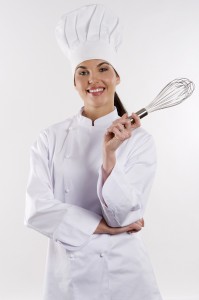 During my residency training, a diabetic patient asked me what he should eat to stay healthy. I told him the usual “low fat, more vegetables, avoid concentrated sweets” mantra that doctors are taught to say in medical school, but I remember thinking to myself how difficult it must be for someone who does not cook. Almost everything on a restaurant menu is a minefield of hidden saturated fat, cholesterol, sodium, and sugar. For example, what is in the “brown” sauce in Chinese food? I can tell you with certainty, it’s a mixture of all the above.
I was reminded about my epiphany while reading an article today in the New York Times titled “When the Chef is Also the Doctor“. The article describes a culinary kitchen designed by Dr. David M. Eisenberg. Unlike the usual housewives who attend cooking classes, this course is designed for physicians. The article also made me realize how little time is spent on diet and exercise in the medical school curriculum. Dr. Eisenberg has the right idea for the future of medical education. All too often, physicians are quick to prescribe the newest medications on the market but not as willing to spend time on counseling the patient on diet and exercise. Perhaps, this is because doctors themselves don’t even know what they should be eating.
I would like to come up with a “bootcamp” someday, but instead of cooking it will be physical exercise. In residency there is a motto that describes the learning process for medical procedures, “see one (procedure being done by another), do one (procedure yourself), teach one (to someone else)”. Doctors should recognize that before they can teach their patients the concept of wellness, they should practice what they preach.