February 18th, 2018
 This year is proving to be one of the worst flu seasons I have seen in my career. I think many factors are to blame. Terrible weather and natural disasters late last summer, such as Hurricane Maria, decimated access to health care and forced people to congregate in crowded shelters. The weather was also unseasonably cold in most parts of the US this winter. Australia had a particularly severe flu season (peaking in July, during the Southern hemisphere’s winter season) which usually translates to a worse season for the Northern Hemisphere. The flu shot efficacy has been called into question, but I believe the strains in the flu shot as it was originally formulated was effective, unfortunately it is likely that one of the strains, the H3N2, likely mutated. H3N2 is thought to be a nasty strain of the flu which causes more prolonged illness and is easily transmitted. Historically, years where H3N2 predominates are more severe flu seasons.
Unfortunately, we are not seeing an end to this flu season anytime soon. In New York, the rates of flu have not come down, indicating we haven’t even reached the peak of the flu epidemic. Some experts have even proposed that the flu season may not end till May this year (usually ends around late March or April).
Here are some steps to protect yourself and your family:
- Get your flu shots! It’s never too late. While no flu shot is 100% effective (in typical years, 60% is about the maximum efficacy), it can lessen the severity and duration of your symptoms. Even if you got sick from the flu, you should get the flu shot after you feel better. There are at least 5 strains of the flu going around, getting sick from one strain doesn’t protect you from the others. Getting a flu shot with multiple strains (3 or 4, depending on the type of flu shot) lowers your chances of getting the others.
- If you have the flu, stay away from others. Isolate yourself as much as possible. Stay home from work, avoid gatherings of large people until 24 hours after your last fever (100 degrees Fahrenheit). Be especially careful about tissues or items such as clothing you may have coughed or sneezed into, these usually contain large amounts viruses. Do not let anyone clean these up for you, as that can transmit the flu easily. In fact, you can even designate a separate trash bag for these, or keep a separate trash can near your bed or seat on the sofa.
- Avoid unnecessary contact with others. People who are infected with the flu are infectious 24 hours even before showing any symptoms of the flu. A simple handshake or hug could mean an easy transmission of flu virus.
- Use antibacterial wipes liberally. I use them to wipe down the armrests, seatbelt buckles, and tray tables on planes before I sit down. You should also use them after touching restaurant menus or riding on public transportation.
- Avoid going to the hospital or doctor’s office for any unnecessary visits. Postpone any non-urgent surgeries such as vasectomies or plastic surgery. The last thing you want to do is to go to where there are large numbers of people with the flu. Surgery is a stressful time for the body and makes you very succeptible for getting the flu. Instead of visiting someone in the hospital, consider using video chat, or Skype to send them your well wishes. If you must go into the hospital to visit someone, wear a mask the entire time. Most hospitals will gladly provide you with one if you request it.
- Wash your hands often. Be sure to use soap and water. How long is considered adequate? You should be able to sing the “Happy Birthday” song twice.
- Cover your mouth when you cough or sneeze and advise others to do the same. Each cough or sneeze generates a large plume of droplets containing billions of flu viruses. The best way to cough or sneeze is into the bent elbow. If you cough into your hands, you’re more likely to spread the flu viruses when you use that hand to open doors.
- Boost your immune system. A weakened immune system makes you vulnerable to colds and flus. Get adequate sleep at night, drink plenty of fluids, avoid excessive amounts of alcohol (no more than one drink for women, two drinks for men in 24 hours), reduce stress, and exercise regularly.
- If you have a compromised immune system from diabetes, HIV, cancer, or other chronic diseases, or have respiratory illnesses such as asthma or COPD, you should contact your healthcare provider if you suspect you may have the flu. The first signs of the flu are the sudden appearance of body aches, fever, and sore throat. Common colds are usually different because the symptoms develop over days as opposed to 1-3 hours for the flu.
- Teach your family good hand hygeine. Keep hand sanitizers handy near the front door. Encourage all your family members to use it upon returning home.
- Based on new research, the flu virus can even be spread just by being in the same room with someone who has the flu. Having fresh air circulating can be helpful. If the temperature outside is mild, open the windows to bring air into your home. Alternatively, if someone has the flu, try to limit them to one or two rooms so they are not spreading the virus throughout the home.
- GET YOUR FLU SHOTS! No, this not a mistake, I am putting this tip again to emphasize that this is the BEST thing you can do for yourself and your family. The flu shot will protect you and your loved ones!
January 6th, 2018
This winter has been brutally cold in many parts of the US. The cold can have a very negative impact on our health. It can weaken our immune systems and dry out our nasal passages, making us more vulnerable to colds and flus. The cold weather also limits our ability to do exercise outdoors and get much needed Vitamin D from sunlight. Here are some ways to beat the cold.
- Make sure to cover up all exposed skin when outdoors. Scarves, gloves, and a thick coat are a must when the temperature drops. Put them on at least 5 minutes before heading outdoors. The heat you trap in the clothing will keep you much warmer.
- Exercise indoors. When you exercise, your body temperature will rise. The sweat you generate will also moisturize the skin. Avoid exercising outdoors, as very cold air can cause our bronchi (tubes that deliver air to our lungs) to spasm and make it difficult to breathe. Asthmatics often notice worsening of their asthma during colder months.
- Humidify the air. Hot, dry air leads to dry nasal passages and eyes which are the main reason we get upper respiratory infections in the winter. Add humidity to the air in your home by using a humidifier and avoid making the home temperature too warm. Sure 80 degrees feels great, but it will dry you out too much. 70 degrees would be a reasonable home temperature in the wintertime. If you have a green thumb, purchase some indoor plants. They release moisture into the air. If not, you can place bowls or baking sheets with water around the home.
- Moisturize your skin liberally. The best time to slather on lotion is after your shower to lock in moisture. Dry skin can result in bothersome itching and irritation.
- Get your flu shot. We are in the midst of a potentially deadly flu season. If you haven’t gotten your flu shot, it’s not too late.
- Use hand warmers when outdoors for long periods of time. These small packets generate heat and can be placed into your shoes or gloves to keep these areas warm. If you are shoveling snow or doing necessary outdoor activities in the cold, make sure you warm up indoors every 15 minutes or so.
- Drink plenty of fluids, preferably warm or room temperature. Teas and soups are perfect for raising our body temperature before or after being outdoors.
- Avoid alcohol or excessive amounts of caffeine. Both of these are diuretics (cause you to release water) and can worsen dehydration. Alcohol also dulls the pain of frostbite, so you may not realize you are being injured by the cold.
- Take a Vitamin D supplement. Vitamin D is a necessary vitamin that we get from certain foods, such as fortified dairy, eggs, and sardines. Some scientists believe that low levels of this vitamin can contribute to anxiety and depression that many of us experience in the winter months. Ever wonder why we feel more energetic in the summertime? We need approximately 15 minutes of exposure to the sun to activate this vitamin. If you aren’t exposed to the sun for this amount of time during the wintertime, your levels will surely be low. I recommend taking a supplement with 1000 IU of Vitamin D3 per day during this time. Be sure to take it with food as it is a fat soluble vitamin and preferably in the morning. If you are really feeling the winter “blahs”, schedule a trip to a sunny getaway further south. You will be able to replenish your Vitamin D within hours on the beach, it’s just what the doctor ordered!
December 24th, 2017
As we start the holiday season, we should all consider that the average American gains 2 pounds every year around this time! While it may not seem like much, it can really add up over the years and make it more difficult to reach your ideal body mass index.
Here are some tips to navigate the festivities wisely and stay healthy:
- Indulge, but within reason. Depriving yourself of your favorite food may not be an option, but limiting the portion can be. Budget your calories. If you know you will be having a large dinner, eat a more reasonable lunch with plenty of vegetables.
- Avoid excessive amounts of alcohol. Alcohol can be very high in calories. For example, some beers such as IPA’s (India Pale Ales) can have upwards of 200 calories per bottle! (that’s more calories than soda!) Here are some tips on moderation. Alcohol can also worsen depression and anxiety.
- Exercise as a family. Encourage your kids to get off the couch and get active. Go for a hike if the weather isn’t too cold. Even walking in a museum or shopping mall can be exercise.
- Drink plenty of water. Many of the salty foods and alcohol cause us to be dehydrated.
- Get enough rest and quality sleep.
- Get your flu shot if you haven’t. I am already seeing signs that this is going to be a terrible flu season. The flu shot may not be 100% effective this year, but it will still provide some protection, which is better than nothing.
- Spend quality time with your loved ones, check in on elderly relatives. Holidays can trigger depression, sometimes related to seasonal affective disorder, lack of Vitamin D, or social isolation. Put away the phones, tablets, computers, and video games and have conversations. Play fun board games, go hiking, or bake cookies together.
Happy Holidays to you and your families!!!

December 16th, 2017
Right now in the US, there are record numbers of deaths attributable to overdosing on opioids. The situation is so bad that even medical examiners, who perform autopsies on the victims, are leaving their profession out of exhaustion as reported in The New York Times. In the past and even today, society associated opiate abusers with low income and urban areas. The current crisis is different since there are no boundaries. Rich, poor, every ethnicity, education level, urban or rural is impacted. I want to make one point clear: Just because someone is addicted to opiates does not mean the person has poor willpower or that they willingly entered into that lifestyle (the same can be said about people who are obese). Opiate addiction is primarily the result of a complex chemical/hormonal imbalance and/or genetic predisposition, which can be triggered by even one instance of taking opioids. Sadly, most of the people addicted did not start with “street drugs” such as heroin. They were likely introduced to opiates through valid prescriptions by healthcare providers. Another point I’d like to make here is that just because something is a “prescription” does not make it any safer than any other medication that causes addiction.
How did we get to this situation? Well, I remember in my training that we were told to make sure pain was treated at all costs. Pain was the enemy of any good healthcare worker. I recall being taught about asking patients to rate their pain from 0-10, with 10 being extreme pain like childbirth. For extreme pain, they suggested opioids, such as oxycodone, morphine, or percocet to name a few. Sadly, opioids are still being overprescribed today. To make the situation worse, the pharmaceutical companies have developed very potent opiates which are more likely to cause overdoses. Unlike other drugs, one course of opioid medication can lead to getting “hooked”. There are a multitude of stories about people who have had surgery and were handed a bottle of opioid medication to take home for “pain” and then ending up overdosing on medication months or years afterwards.
Here are some tips on how you can protect yourself and your family from this crisis:
- When visiting your healthcare provider with any complaints of pain, ask what medications that are non-narcotics can be taken. Cool compresses, and topical creams/patches such as capsaicin can be helpful as well.
- Acetaminophen and NSAIDS (ibuprofen, aspirin, and naproxen) can be highly effective for pain at higher doses. In fact, one study found that the combination of Acetaminophen + Ibuprofen was just as effective as opioids without the potential for addiction. Ask you healthcare provider about what is the best regimen for you.
- Don’t pressure your healthcare provider into prescribing opioids. I recall hearing from a patient, “I’ve tried all the over the counter pain medications, I need something stronger so I can sleep.” When I asked further what medications she tried and she took it, she said she just took 2 tylenol (650 mg ) the night before and Advil 1 tablet that morning. I informed her that it was not surprising she was not having relief. She wasn’t taking enough of either medication to really make a difference! Tylenol (acetaminophen) can be safely taken up to 4000 mg (2000 mg if you have any liver issues) in a 24 hour period!
- Establish a plan with your healthcare provider to find out when there may be a benefit for taking opioids.
- If you or your loved ones do require opioids, have an open and honest discussion with the healthcare provider and insist that you start with the lowest possible dose, fewest number of pills, and weakest forms of opioids. There is a dramatic difference in potency of opiates available, ranging from codeine which is often combined into a cough syrup, to fentanyl, which is so powerful that even accidentally inhaling pill dust can result in significant effects!
- If you are prescribed opiates, make sure you do not keep remaining pills “for a rainy day”. Studies have shown that many adults who have opiate addiction started when they raided their parents’ medicine cabinets. Do not flush the pills down the toilet and do not throw them out in the garbage as that can lead to the environmental contamination. The best way to dispose of the pills is to bring them to a pharmacy or medical office for safe disposal. As I mentioned earlier, always ask for the fewest amount possible (no more than 1 week’s worth, so you won’t end up having too much leftover).
- There are medications for overdose that can be administered without medical supervision. If you or someone is prescribed opiates or you suspect someone in your household is using opioids, you may want to find out about learning how to administer them and keeping these in the house. These can be as simple as a nasal spray (Narcan nasal spray).
- If you suspect someone you know may be abusing opioids, try to get help for them. Here is a link to locate a service nearby. It’s never too late, you may save their life!
December 9th, 2017
 Right now, we are in a midst of an epidemic of Type 2 Diabetes (T2D). This is not surprising. Over the past 30 years, the US population has grown increasingly obese, in some parts of the country over 40% of people report having a Body Mass Index (BMI) of over 30 (clinically obese)! Obesity is one of the main risk factors for diabetes. Why have we become so obese? I think the main factors are overconsumption of calories and lack of physical exertion. We are consuming more processed/packaged foods which are high in simple sugars and saturated fats and sitting more hours in front of electronic devices. Think back to 20 years ago, you had to walk around the mall when you went shopping. When you got a paycheck on payday you had to walk it to the bank and wait in line. Now, you can shop online and have all your packages delivered to your doorstep and your bank account automatically gets replenished on payday. Voila! No physical exertion needed, no calories burned.
Diabetes is often preceded by a phase called “prediabetes”. This is usually about a 5 year period where sugars are above normal, but not high enough to qualify as diabetes. Prediabetes is not a period before “the inevitable”. In fact, with proper nutrition, exercise, weight loss, and certain medications prediabetes can be reversed and diabetes prevented. Unfortunately, one third of American adults (84 million) have prediabetes right now! Yes, this is not an exaggeration, 1/3!!! Even more bad news, 9 in 10 people with prediabetes are not aware of their condition!
Simple blood tests can detect prediabetes. These include a fasting blood sugar, hemoglobin A1C (HgbA1C), and an oral glucose tolerance test (OGTT). All primary care offices can run these tests, though the oral glucose tolerance test is typically cumbersome as it requires the person to drink a syrupy sweet liquid and sit for 2 hours. In my own practice, I run the first two tests more often and if there is a discrepancy, I will run the OGTT.
Who should be screened for prediabetes? Anyone who is overweight (BMI>25) and has one of the following risk factors: age>45 years old, first degree relative with Type 2 Diabetes, specific ethnic groups (Asian/Pacific Islander, Native American, Latino, African American), women diagnosed with gestational diabetes during pregnancy or giving birth to babies over 9 pounds, people with high cholesterol, high blood pressure, or prior heart disease/stroke, and people who have taken antipsychotic medications.
One of the most effective ways that people with prediabetes can prevent the onset of true diabetes is by enrolling in a Diabetes Prevention Program (DPP). This is a 16 step program administered widely in many community centers, YMCA’s and local health departments. These programs help people to make healthier eating choices and encourage more than 150 minutes of exercise per week, with the goal of losing at least 4% of the bodyweight. If you need help finding a DPP, you can go to PreventDiabetesSTAT.org. Personalized health coaching is another valuable resource.
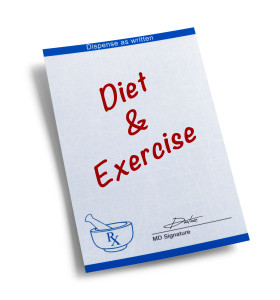
Prediabetes is an opportunity to heal and reverse the path to diabetes. If you have any of the risk factors above, schedule an annual physical with a medical provider soon. If you currently have prediabetes, make sure you are eating healthy and exercising. I often tell my patients with prediabetes to think of healthy diet and exercise as effective as a prescription medication. I will often write “Exercise and Healthy Diet” on a prescription pad and hand it to the patient to post on their fridge or desk so they know that is what the doctor ordered. There are no “quick fixes” for prediabetes, but every healthy lifestyle change no matter how small can make a big difference.

 This year is proving to be one of the worst flu seasons I have seen in my career. I think many factors are to blame. Terrible weather and natural disasters late last summer, such as Hurricane Maria, decimated access to health care and forced people to congregate in crowded shelters. The weather was also unseasonably cold in most parts of the US this winter. Australia had a particularly severe flu season (peaking in July, during the Southern hemisphere’s winter season) which usually translates to a worse season for the Northern Hemisphere. The flu shot efficacy has been called into question, but I believe the strains in the flu shot as it was originally formulated was effective, unfortunately it is likely that one of the strains, the H3N2, likely mutated. H3N2 is thought to be a nasty strain of the flu which causes more prolonged illness and is easily transmitted. Historically, years where H3N2 predominates are more severe flu seasons.